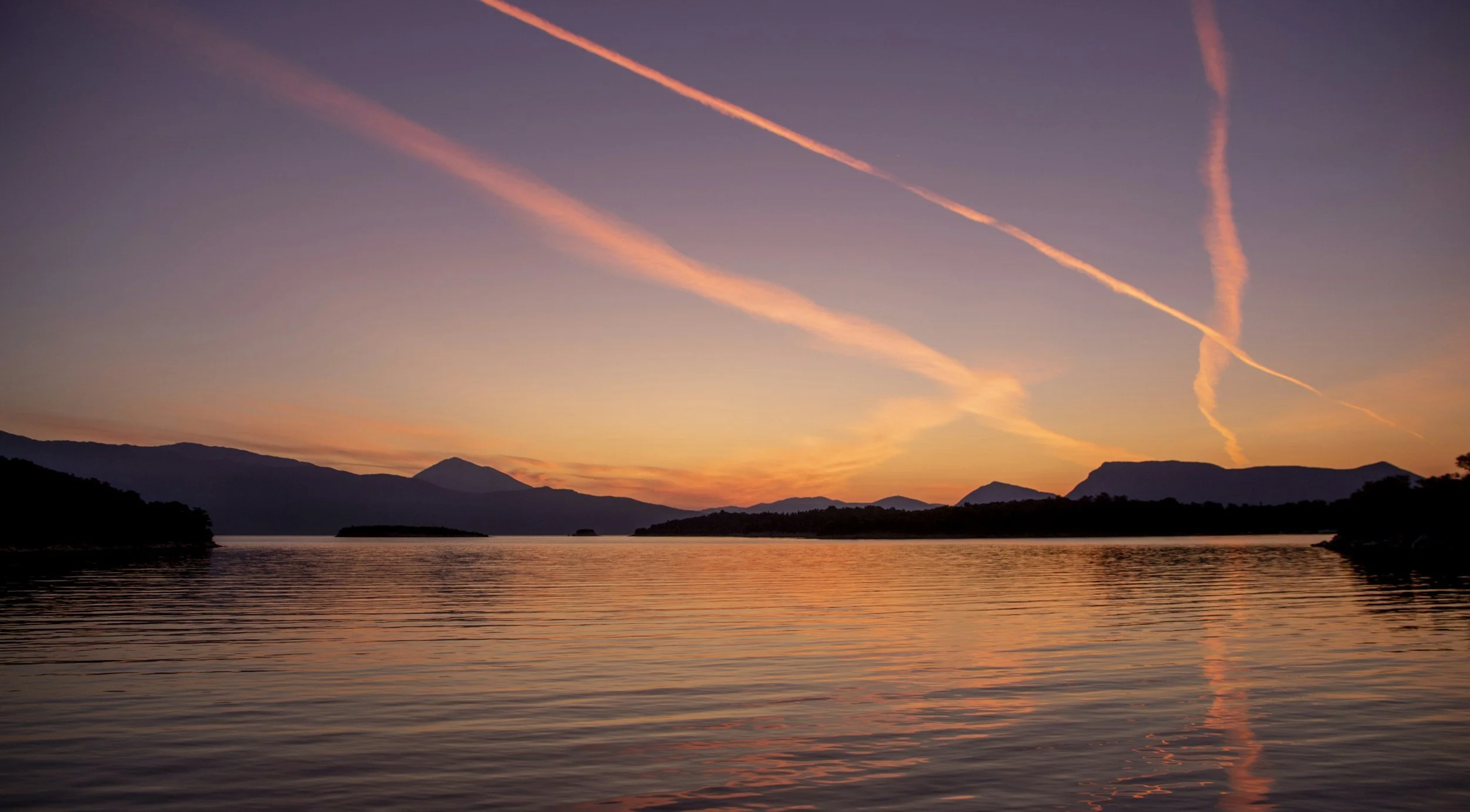
Perivoli, Corfu: Life and History in a Traditional South Corfu Village
Where is Perivoli in Corfu?
Perivoli sits in the Korissia area of South Corfu, about four kilometres from Lefkimmi, with Vitalades, Marathias and Lefkimmi as its nearest neighbours.
The island is very narrow at this point, which is one of the first things visitors notice. You can spend the morning on the long sandy beaches of the west coast, at Santa Barbara (Maltas) or Marathias, or on the wilder stretch at Megas Choros, and then drive across to eat on the east side at Kaliviotis, Petriti or Boukari, where the water is calmer and then drive across to the east side, where the water is calmer and the harbours are still full of local fishing boats. Kaliviotis is Perivoli's own, and fishermen from the village work out of it, so the fish on the table there was landed a few hundred metres from where you are sitting. Petriti and Boukari are a little further along the same coast.
Fishing and agriculture are still how a good number of people here make their living. Olive groves run up to the edge of the village, most households keep a garden that feeds them through the year, and you can buy fish from the men who caught it.
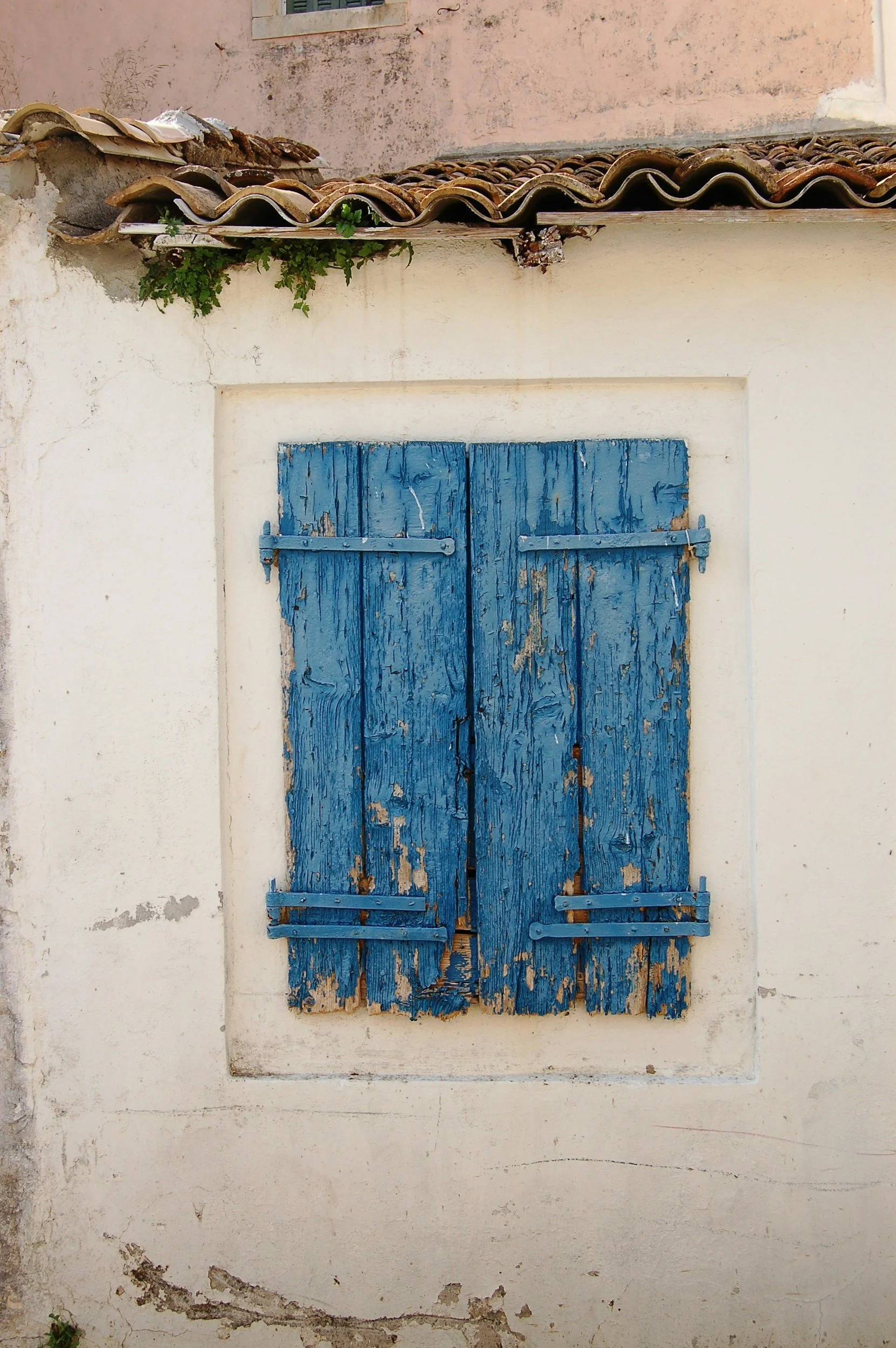
What does the name Perivoli mean?
Perivoli, περιβόλι, means an orchard or a garden, a piece of land that someone cultivates.
Growing up here, our family had olive groves and orange orchards, as almost every family did, and an olive oil factory as well. A great deal of what came to the table had been grown or pressed or bottled by somebody in the house.
Shopping was a different proposition then. There were small grocery shops in the village, but as late as the 1990s the nearest proper supermarket was in Corfu Town, whereas now there are several in Lefkimmi, a few minutes away by car. The mini market opposite the Church of Agios Athanasios, in the heart of the village is still there, and it is the same shop we went to as children in the 1980s, and the same one our parents went to before us.
Our grandparents made their own wine, and one of the things I remember most clearly is watching my grandfather tread the grapes.
Globalisation has changed the village as it has changed everywhere else, and people buy far more of their food than they once did. Even so, most families keep a garden with fruit, vegetables and herbs in it. When we come back we hardly buy any produce at all, because our mother grows it, and the fish still comes from the fishermen, usually within a few hours of being landed.
How far back does Perivoli's history go?
Corfu has had an unstable enough history that local records do not survive in an unbroken line, so there is no tidy chronology to give you.
What is documented is that the village, and a good number of the surnames still in use in it, go back to at least the early 1500s. Children playing in these streets carry the same names as people who were living here five hundred years ago.
The oldest thing you can stand in front of is the medieval Church of Agioi Saranta, the Forty Saints, which is being restored at the moment under the supervision of the archaeological authorities of the Greek Ministry of Culture.
Why was Perivoli built inland?
Local tradition says the village began closer to the sea, and that disease and the threat of pirates eventually moved it to where it is now.
The same pattern turns up all over the islands, for obvious reasons. The sea brought food and trade and the means of getting anywhere, and it also brought men who came to take what they could. A settlement visible from the water was a settlement that could be raided, and low ground near the coast carried its own risks of illness, so people withdrew inland, though not so far that they could not still reach their fields, their boats and the coast.
The older generation told pirate stories, and they have been retold so many times that it is no longer possible to say where the history stops and the invention begins. The best known of them concerns the Monastery of Pantokrator.
The story of the Monastery of Pantokrator
Pantokrator, according to the version told here, was a convent. One of the nuns dreamt one night that something terrible was coming and hid, and when the pirates arrived they killed everyone who had stayed. She was the only one who survived.
Whether any of that happened is impossible to establish, though the fact that the story was kept and passed on tells you that raids were once a genuine fear for people living on this coast.
A small monastery still stands up on the mountain, rebuilt and altered many times over the centuries. It lies on the route towards the wild beach of Megas Choros, in a quiet and largely undeveloped part of the south, and the drive out to it takes you through hills and olive groves with long views opening up as you climb. It would be worth going to see without the story attached to it.
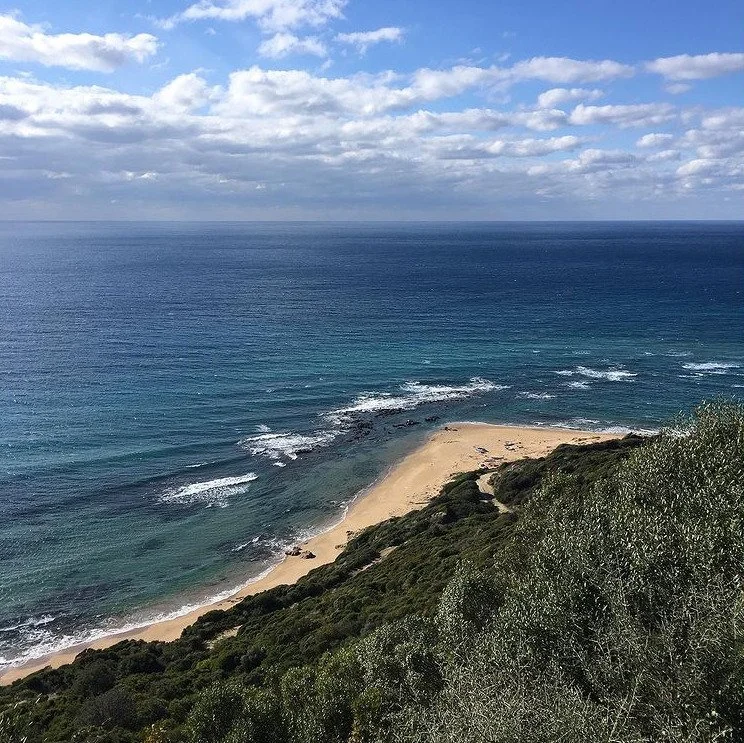
Beach of Megas Choros
The churches and village life
The churches here mark out neighbourhoods and family histories as much as they mark out places of worship, and the religious festivals are still the main social occasions of the year, bringing together the people who live in the village and the people whose families come from it but who now live elsewhere.
The largest is the Feast of the Panagia on 15 August, one of the most important dates in the Greek Orthodox calendar, which in Perivoli becomes a full village panigyri.
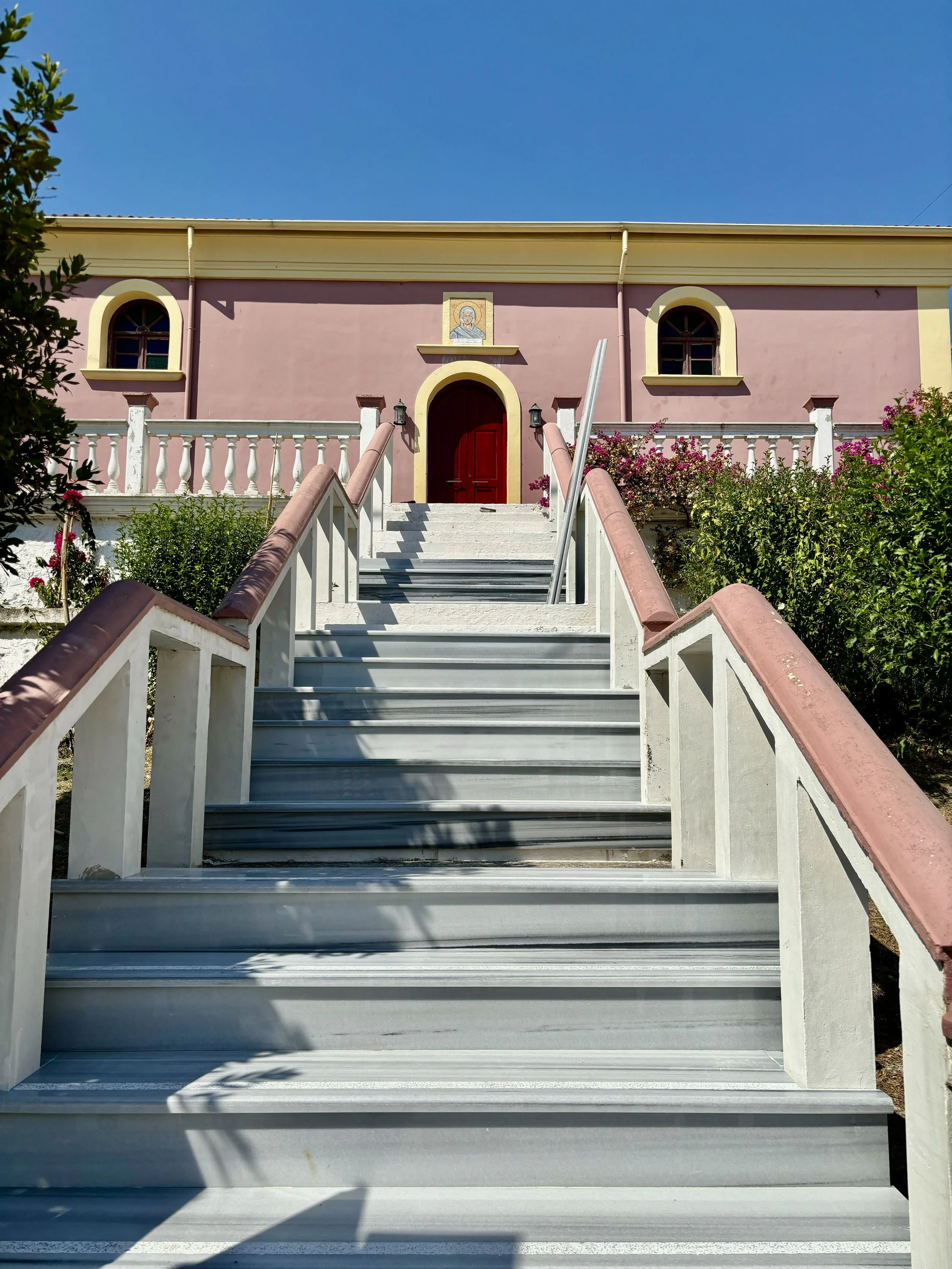
The Church of the Panagia is the pink one, standing above the street at the top of a long flight of steps, in the same neighbourhood as our houses. You can see it from the property, and the communal garden belonging to the houses is almost beside it. It opens for its own celebration on 15 August.
We as children, played on those steps. The courtyard and the streets around it were where we spent our afternoons, so the church has never been a picturesque historic building to us; it was simply the top of our road.
That is more or less what Perivoli is like. The old buildings are still in use, for weddings and festivals and for sitting on the steps of when you are nine years old.